Confidence is more useful when it has evidence behind it
Adult confidence does not have to mean acting fearless or pretending every situation is easy. It can mean knowing you can enter a new environment, learn a skill you did not have yesterday, hear feedback without shutting down, and keep working when the task becomes demanding. Martial arts offers a tangible place to practice that process.
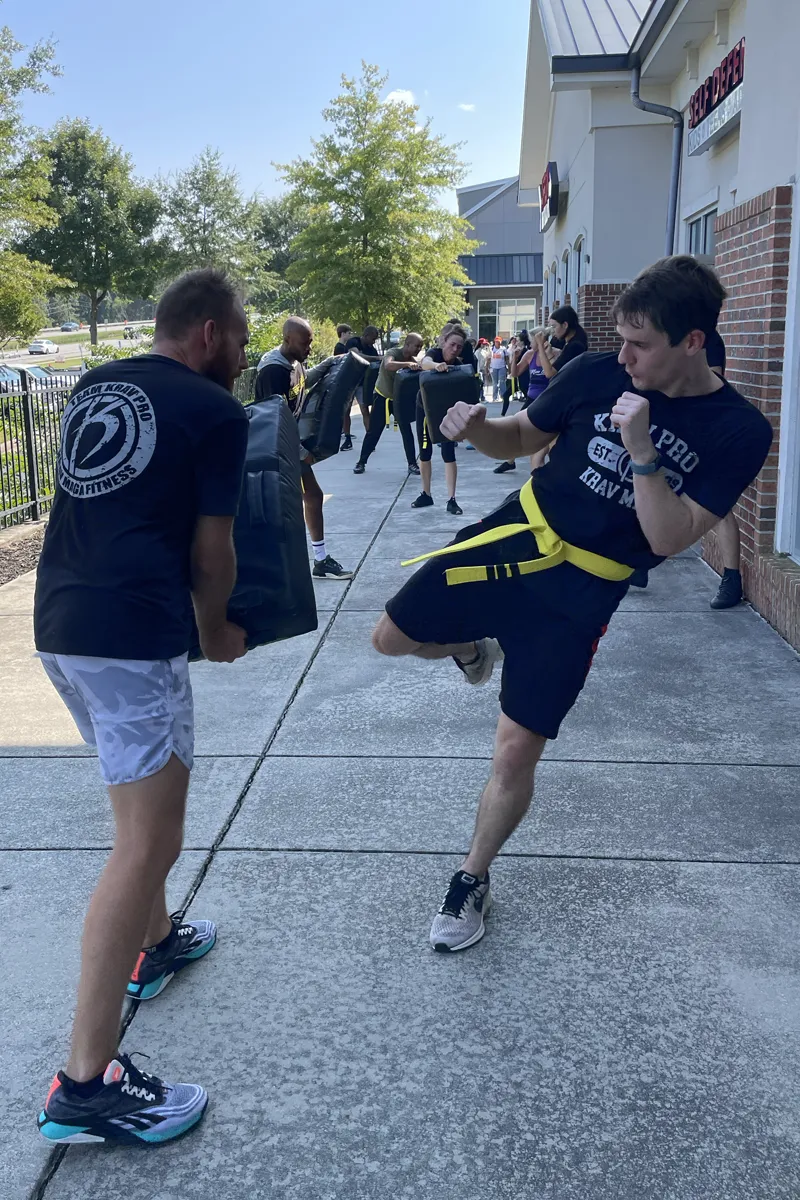
Krav Pro starts adults in Foundations because a clear beginning reduces unnecessary uncertainty. You are not expected to arrive with a martial arts background. Instructors introduce core movements and self-defense principles in manageable steps, then give coaching that applies to the next repetition. The value is not instant mastery. It is having a practical way to improve.
Progress can change how you approach challenge
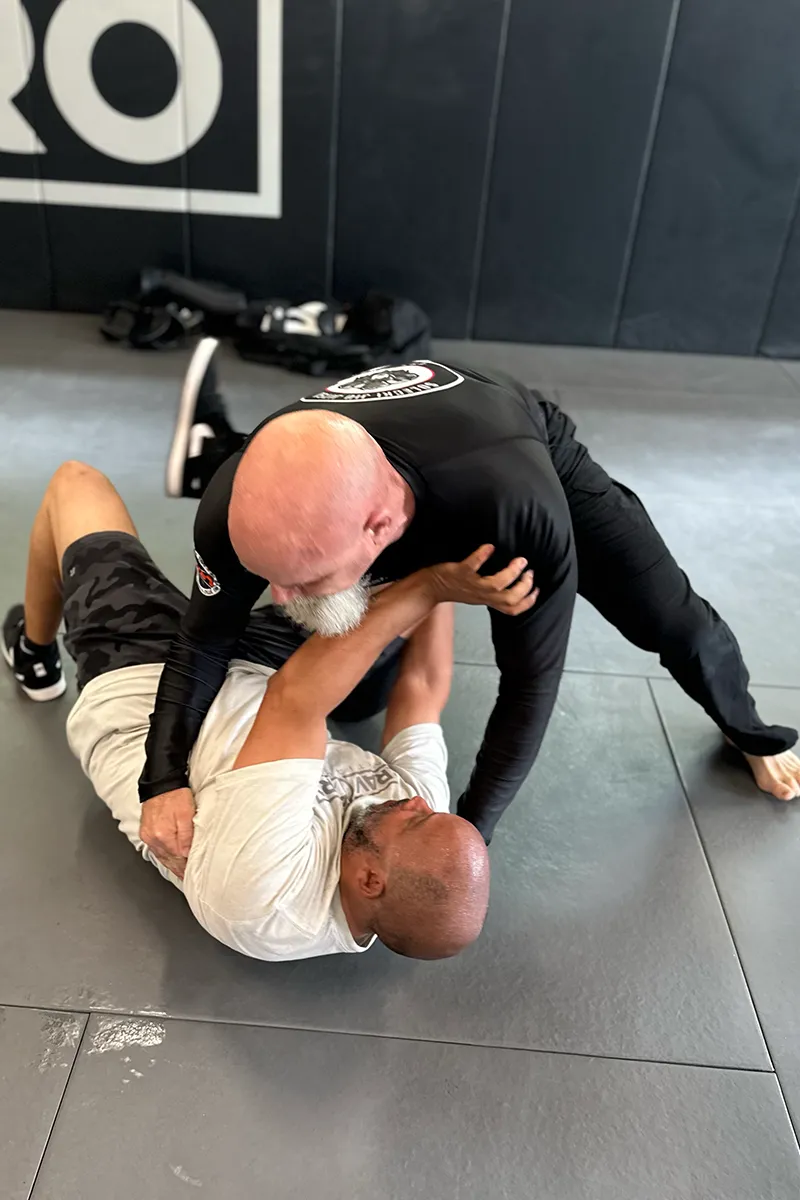
A student may first notice progress in small ways: remembering a sequence, moving with more control, getting through a class with better pacing, or feeling more comfortable working with a partner. Those experiences do not make every challenge disappear, but they can give an adult credible evidence that effort and practice matter.
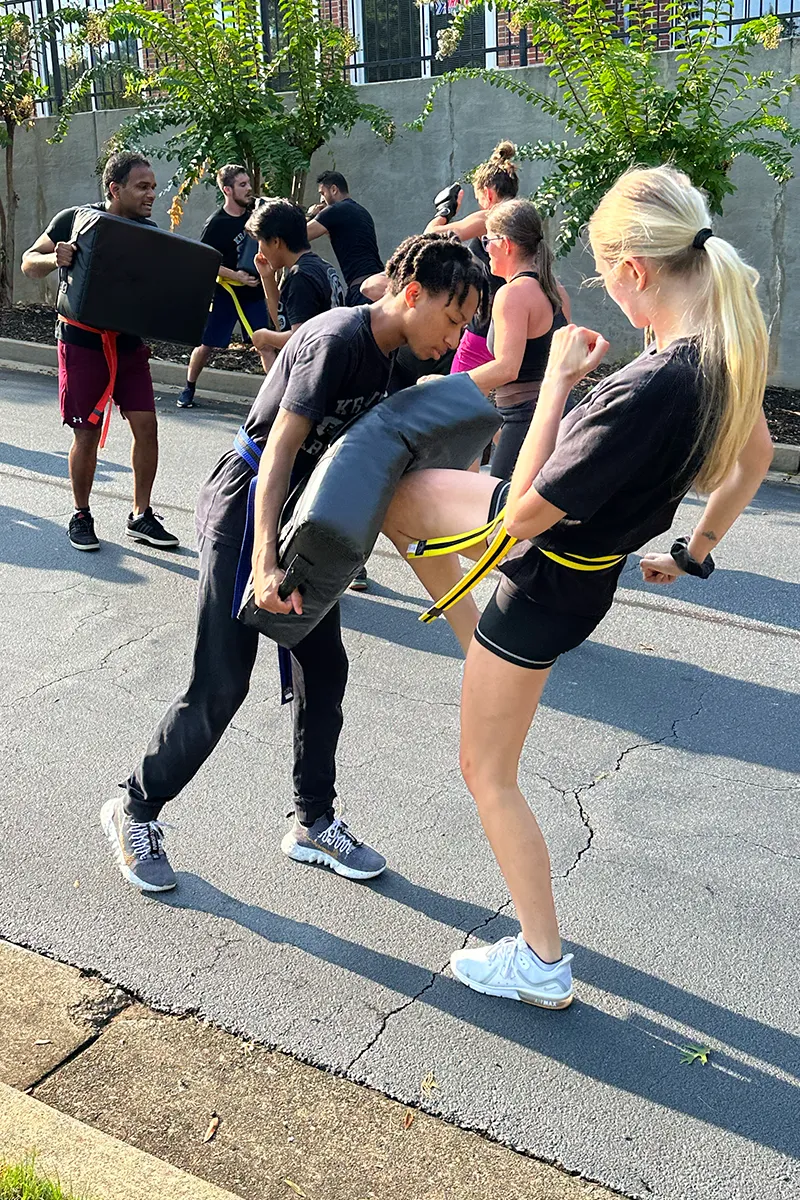
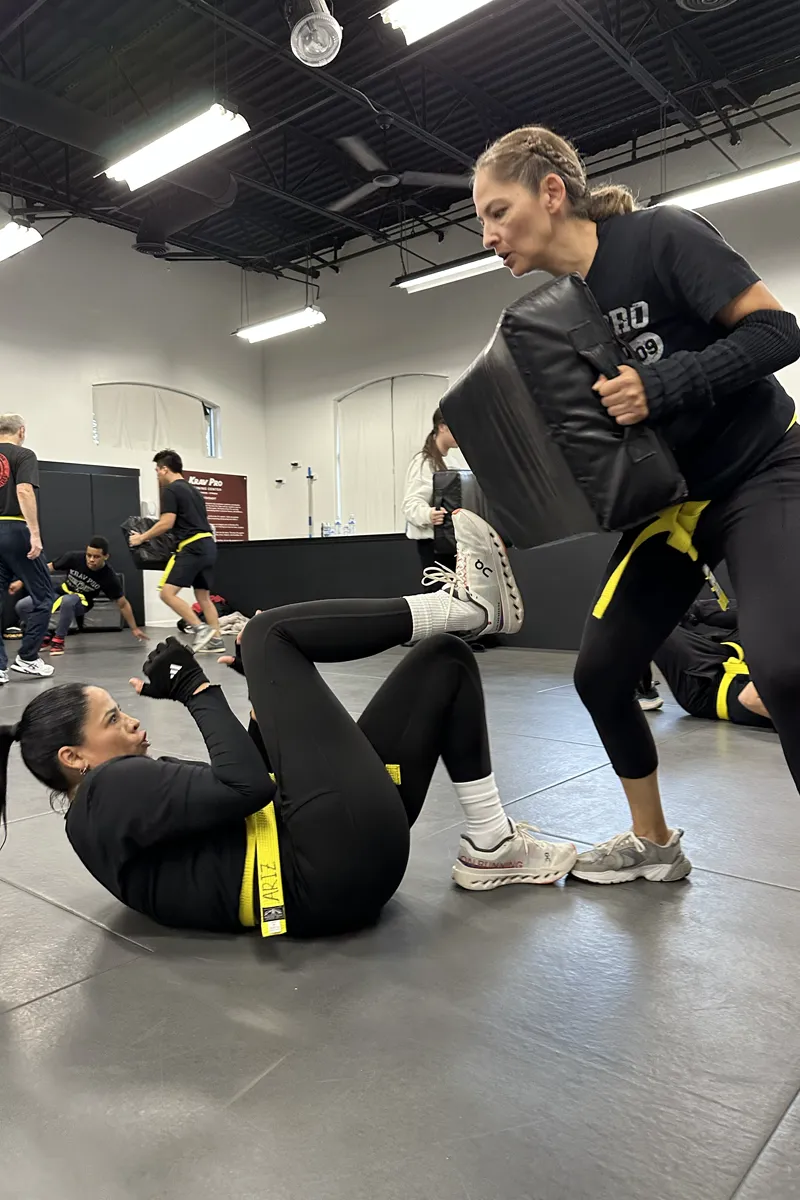
Training partners and coaches are part of that experience. A supportive group gives you people to work with, not an audience waiting for you to perform. Consistency matters more than a perfect first class. Your starting point, attendance, health, and response to training all shape the experience.
A Personalized VIP Experience lets you see the environment for yourself. You can meet the team, try the class at an appropriate pace, and decide whether the training path fits the kind of challenge you want.
Confidence has room for judgment
Useful confidence is not the belief that you can handle every situation alone. It includes knowing when to ask a question, slow down a drill, choose a different level of intensity, or get advice about a concern. That judgment is especially important in a training environment where adults bring different histories, capacities, and goals. A capable student is not someone who ignores limits; it is someone who participates deliberately.
When you visit, pay attention to the details that make participation easier: whether the instructor explains the purpose of an exercise, whether newcomers have a clear place to stand, and how partners communicate. These small signals show how the program supports adults as they learn. They also help you decide whether the environment is one you can return to consistently.