Practical means knowing what you are practicing and why
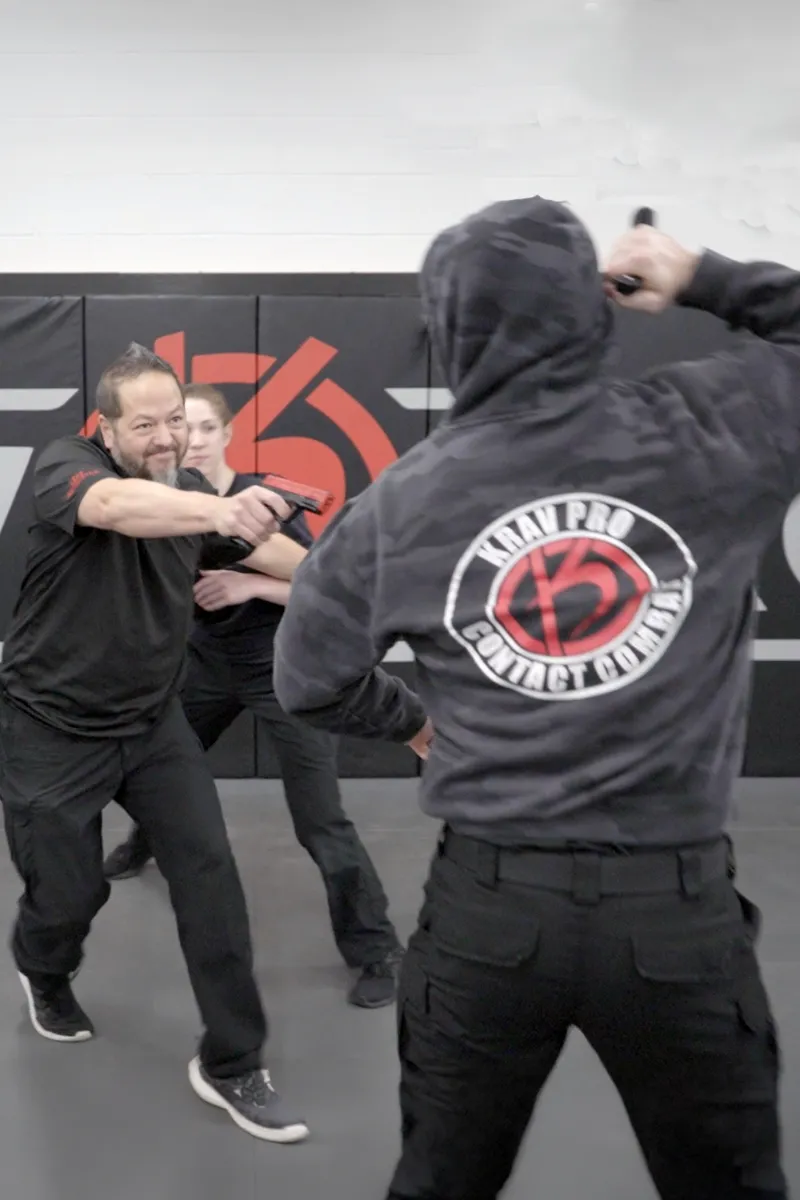
“Practical self-defense” is a broad phrase. It should not mean a collection of dramatic techniques with no context, and it should not mean a promise that one class can solve every safety concern. Practical training starts with useful fundamentals: awareness, movement, positioning, striking, basic defensive principles, and the ability to make a decision under coaching.
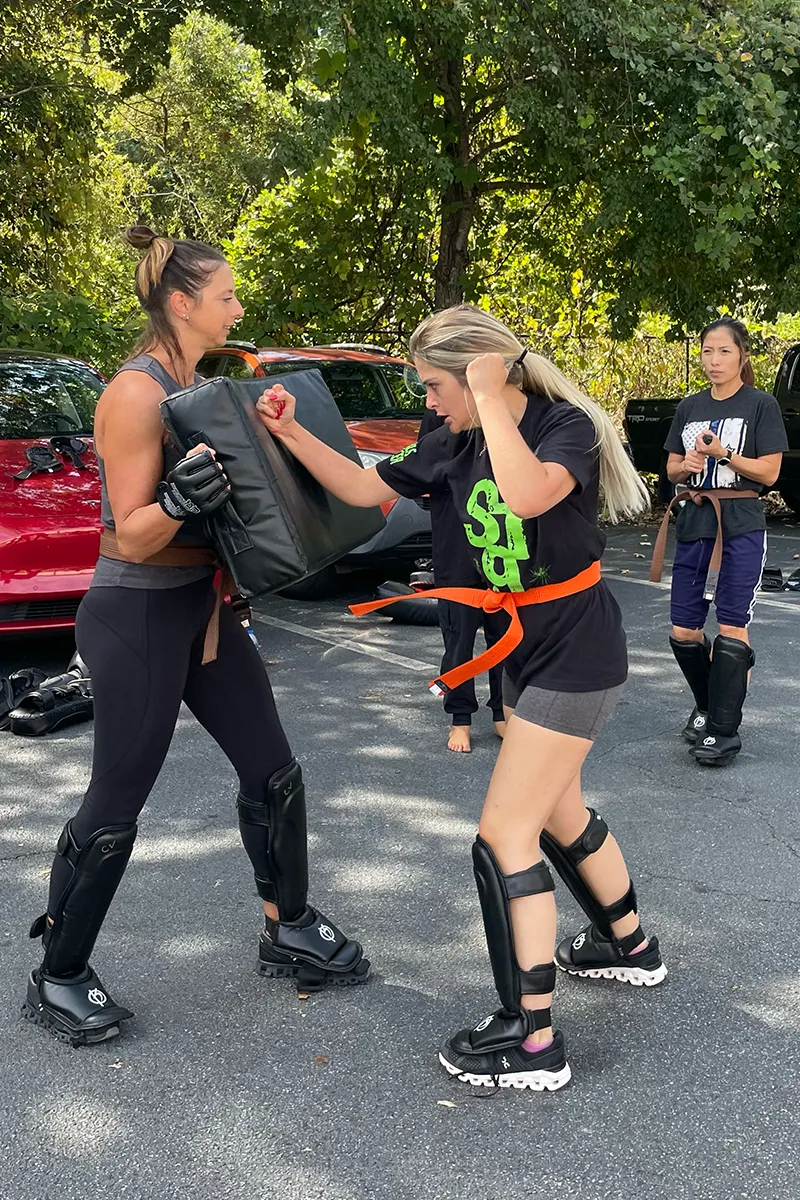
Krav Pro’s adult program begins in Foundations so new students have a clear place to start. An instructor can explain a movement, demonstrate it, and let students practice in manageable steps. The work builds through repetition. As students gain familiarity, they can apply more effort and complexity without being asked to skip the basics.
Good instruction creates a path instead of a performance
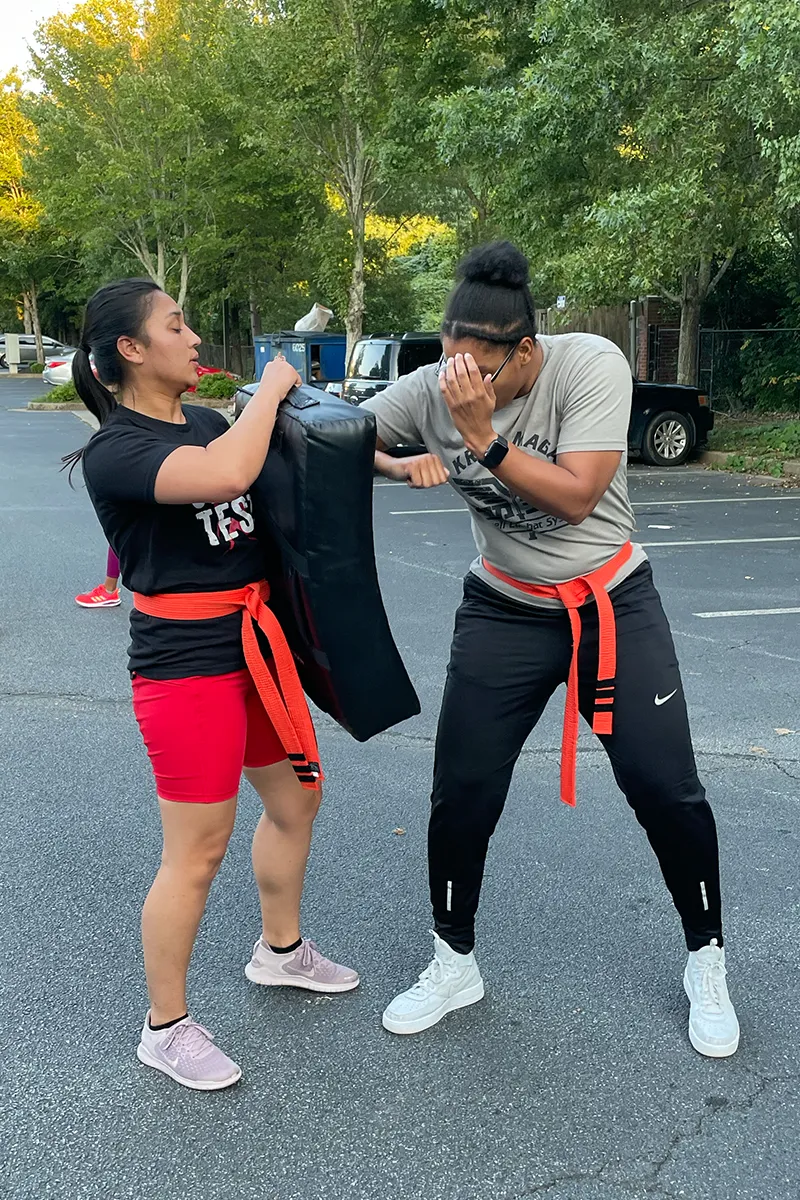
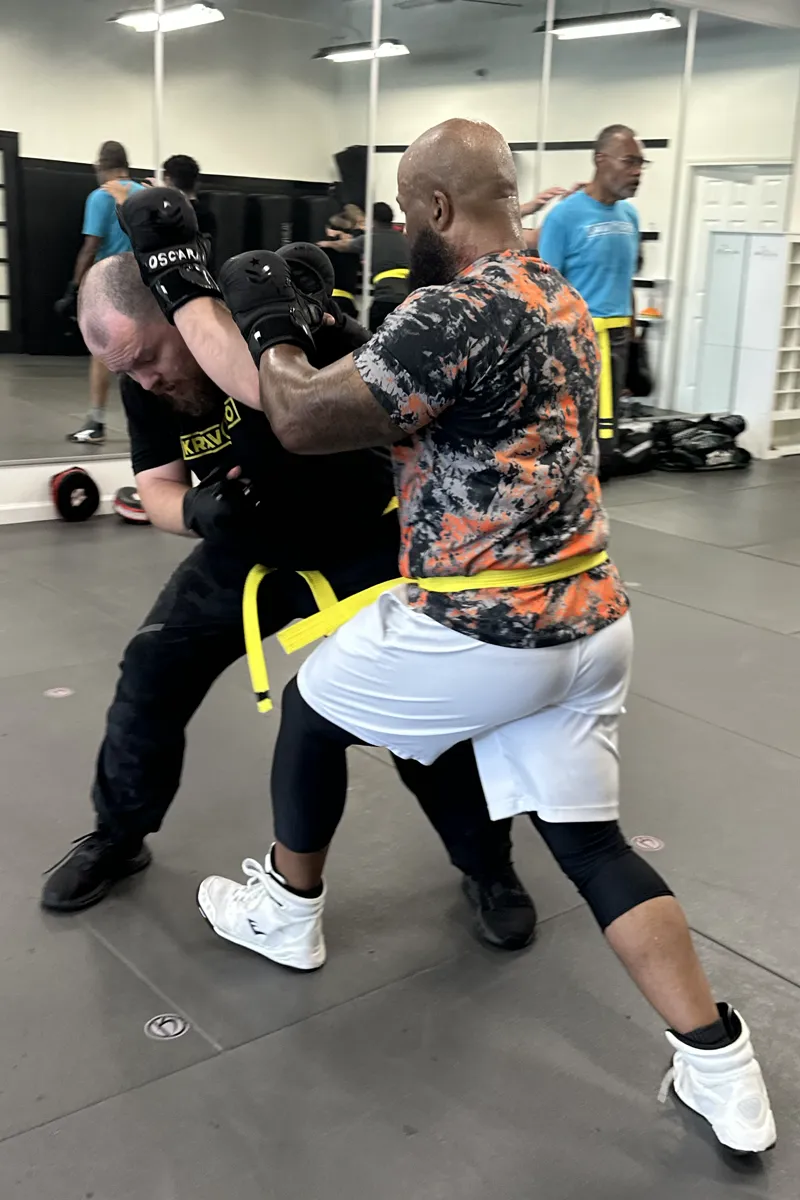
Adults come in with different physical histories, concerns, and levels of experience. A structured program gives instructors a way to coach the group while helping beginners participate at an appropriate pace. Partner drills are controlled learning opportunities, not a test of toughness. They give students a chance to work on mechanics, distance, timing, and communication with feedback.
Real situations remain unpredictable. Training cannot guarantee safety or tell you exactly what will happen outside the training center. What it can do is give you a consistent place to practice sound principles, physical skills, and the habit of paying attention before a problem gets closer.
Start by seeing the Foundations environment
During a Personalized VIP Experience, you can meet the team, tour the facility, and try an adult class experience with guidance. It is the clearest way to understand how the program teaches and whether the pace is right for you.
Questions are part of practical learning
Good beginners ask what a drill is meant to develop, where their position should be, and how to control the pace with a partner. Those questions help turn an exercise into usable practice. They also give an instructor the chance to clarify a principle before the student repeats it. A class should make room for that kind of learning instead of rewarding people for acting as if they already know everything.
On a first visit, look for clear demonstrations, manageable steps, and coaching that connects effort to a specific skill. You can also ask how a new student progresses through Foundations and what is expected between classes. That direct view of the environment is more useful than judging a program from a single technique or a dramatic online clip.