Awareness is a practice of paying attention to what matters
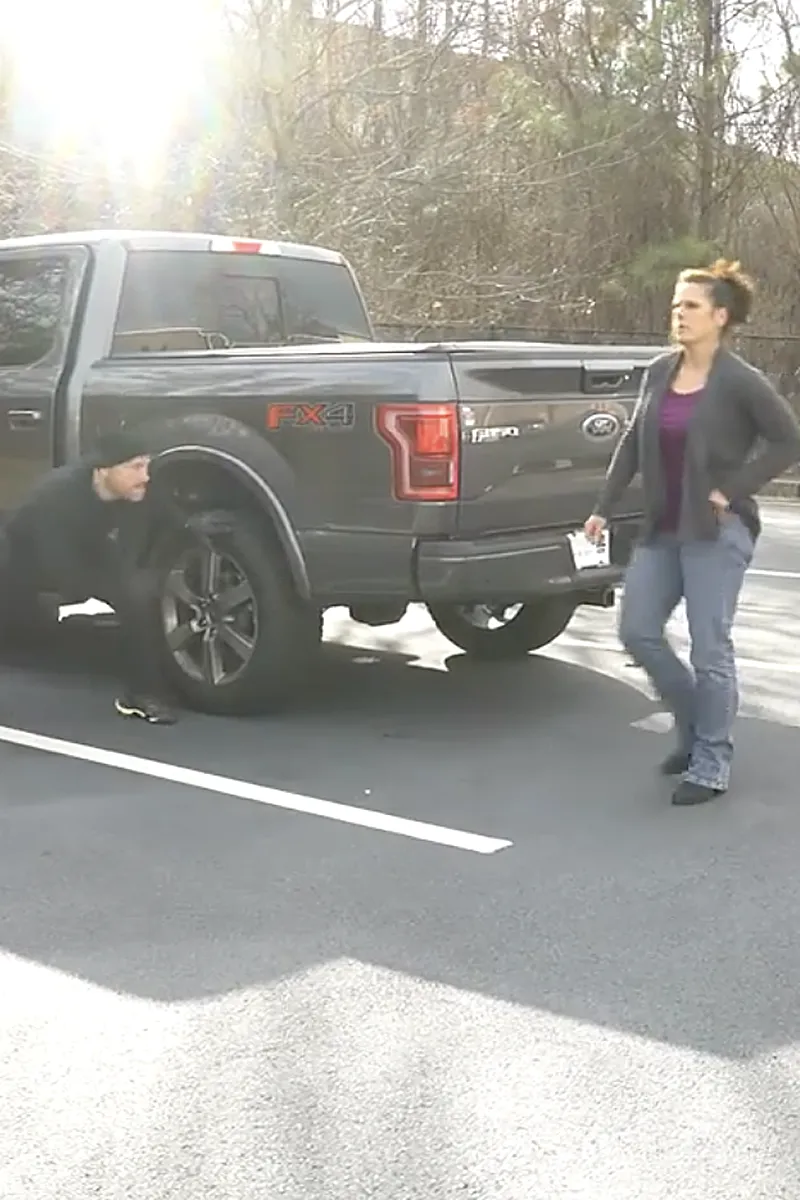
Situational awareness can sound abstract until it is connected to ordinary choices. Where are the exits? How much space do you have? What has changed around you? Is someone moving closer? Do you have a clearer path, a safer position, or a reason to leave? Awareness is not about assuming danger everywhere. It is about noticing relevant information early enough to make a deliberate choice.
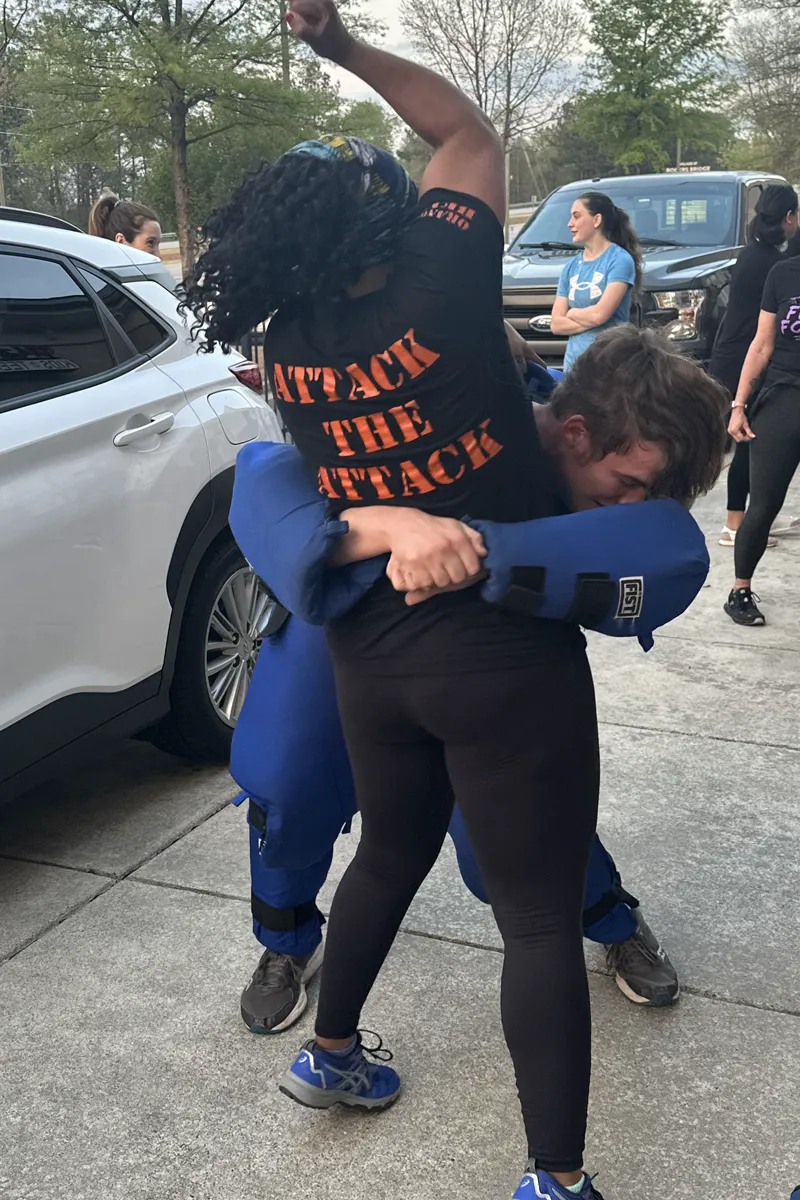
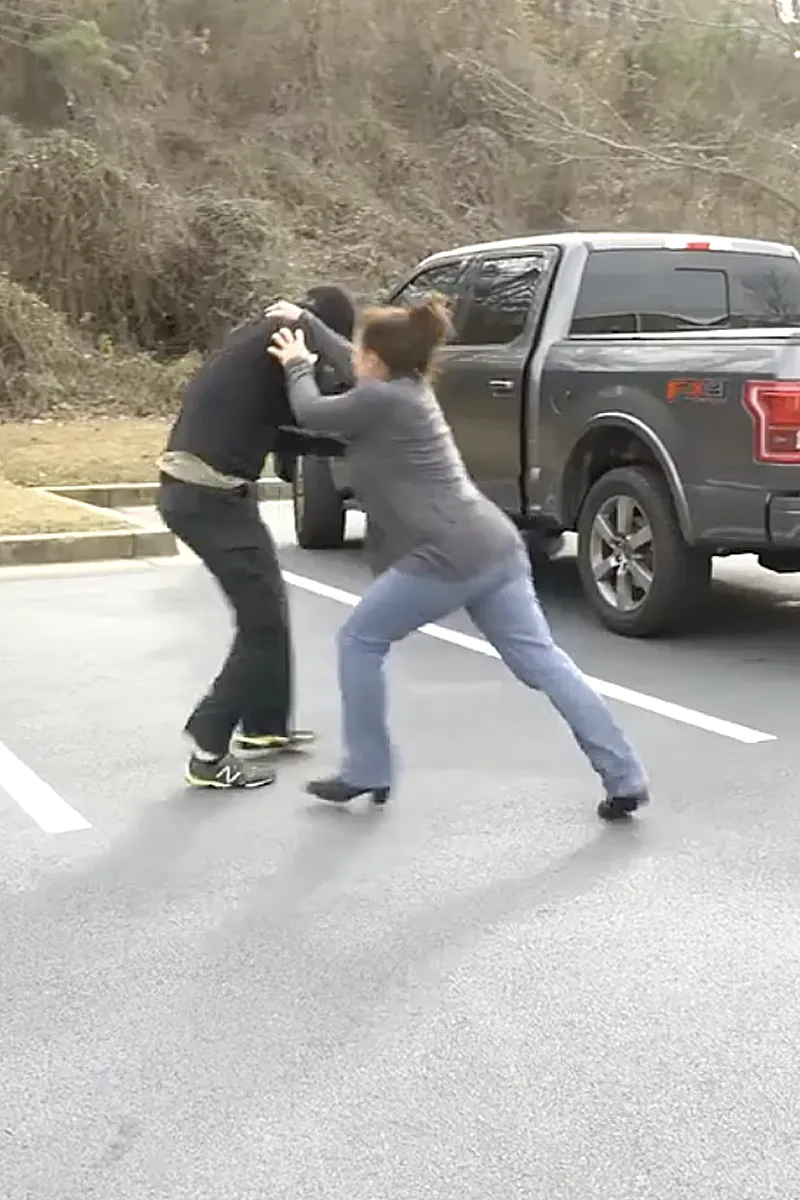
In adult Krav Maga training, awareness connects to movement, position, and decision-making. A student may practice maintaining appropriate distance in a drill, moving with balance and direction, or recognizing why a particular position gives them more room to respond. The exercise is coached and controlled, but the principle is practical: observation matters before physical contact.
Awareness and physical skill work together
Awareness alone does not replace physical practice, and physical skill does not remove the need for judgment. Foundations gives adults a structured place to work on both. Instructors introduce core movements, striking, and defensive principles while explaining the role that distance, space, and timing can play in a situation.
No class can predict danger, guarantee avoidance, or tell you exactly what to do in every circumstance. What regular training can provide is a place to practice noticing, moving, asking better questions, and building familiarity with useful skills. A Personalized VIP Experience lets you see the teaching approach and determine whether the adult program fits your goals.
Calm attention creates more room for choice
Awareness is not a performance of fear. It is a habit of noticing enough to make a more deliberate choice: change direction, create more distance, stay near other people, leave, communicate clearly, or seek help. The useful standard is not perfect prediction. It is avoiding autopilot when conditions change and recognizing that a choice made early may give you more options than a choice made late.
In a first class experience, you can see how instructors connect observation to physical practice. Ask how new students learn distance, positioning, and controlled partner work, and how the program progresses beyond the first lesson. That context helps you decide whether the training is practical for your goals without treating awareness as a guarantee or a substitute for sound judgment.